Is Ceramic Coating Worth It? A Boise Vehicle Owner's Guide
Considering ceramic coating for your vehicle in Boise? This guide covers the real benefits, costs, and long-term value so you can make an informed decision about paint protection.
What Ceramic Coating Actually Does
We see the frustration every week at our shop. You spend a Saturday morning washing your truck or SUV only to see a layer of fine dust settle on it before sunset. Living here in the high desert presents a specific set of challenges that off-the-shelf wax products cannot handle.
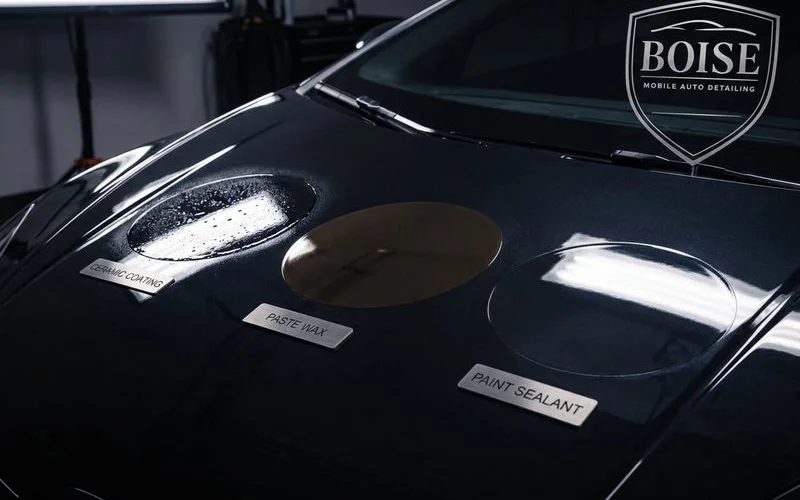
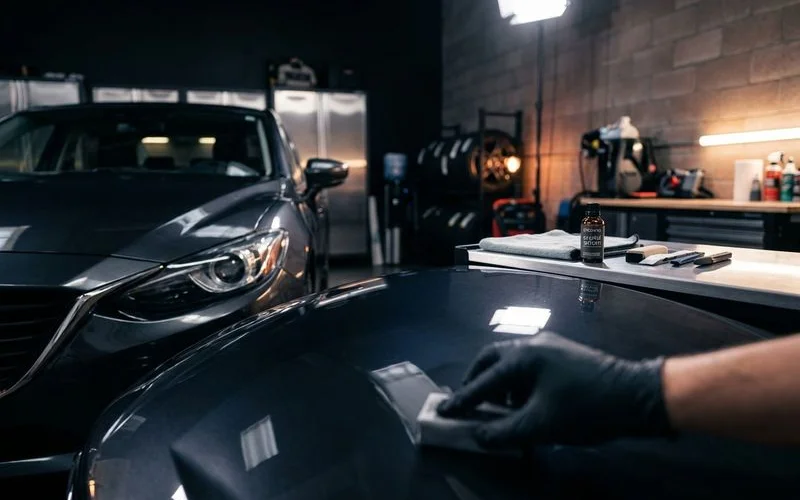
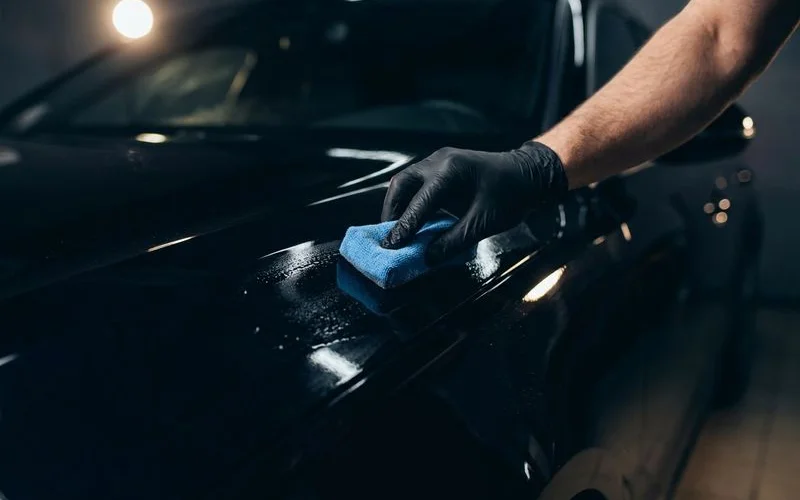
Ceramic coating is a liquid polymer solution, primarily composed of silicon dioxide (SiO2), that forms a chemical bond with your vehicle’s factory clear coat. Unlike carnauba wax or spray sealants that sit passively on the surface, a professional-grade coating cures to create a permanent or semi-permanent bond. This reaction creates a rigid, hydrophobic (water-repelling) layer.
The result is a surface that is chemically resistant and significantly harder than your factory paint alone.
The Real Benefits, Without the Hype
Marketing claims in the automotive industry often drift into fantasy. You might read that these coatings make a car bulletproof against scratches or eliminate the need for washing entirely. Those statements are false.
We focus on the data-backed reality of what a quality ceramic coating delivers for drivers in the Treasure Valley.
Protection Against Hard Water Spots
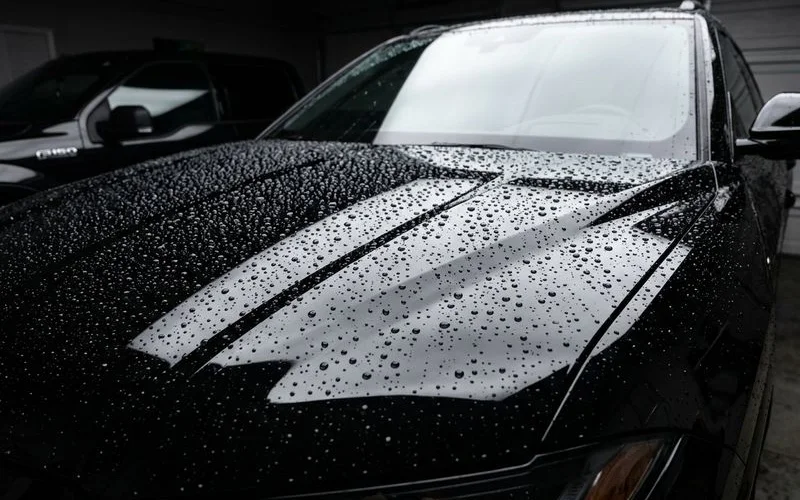
Boise and Meridian have moderately hard water, typically testing between 6 and 12 grains per gallon according to recent Veolia Water reports. This mineral content contains calcium and magnesium that will etch your clear coat if water dries on the surface. A ceramic coating’s high contact angle—often exceeding 110 degrees—forces water to bead up and roll off immediately. This shedding action prevents mineral-heavy droplets from drying in place and creating permanent “Type II” water spots that require sanding to remove.
Defense Against High-Altitude UV Rays
Our region receives an average of 210 sunny days annually. At an elevation of approximately 2,700 feet, UV radiation in Boise is roughly 10% to 15% more intense than at sea level. This increased intensity accelerates oxidation, leading to the chalky, faded clear coat you often see on older vehicles parked outside. Ceramic nanocoatings contain UV inhibitors that block these harmful rays.
Resistance to ACHD Winter Chemicals
We value safe roads during winter, but the treatment methods are harsh on vehicles. The Ada County Highway District (ACHD) utilizes magnesium chloride and salt brine to manage icy roads. These liquid de-icers are highly corrosive and stick to vehicle panels like glue. The chemical resistance of a ceramic coating—often rated from pH 2 to pH 12—provides a sacrificial barrier. This layer prevents these caustic agents from eating directly into your clear coat during the winter months.
Easier Maintenance
A coated vehicle stays cleaner for longer periods. The slick surface tension created by the nanoparticles prevents dirt, road grime, and brake dust from bonding to the paint pores. For busy owners, this efficiency changes a standard maintenance wash from a one-hour chore into a twenty-minute task.
What Ceramic Coating Does Not Do
We prioritize transparency regarding the limitations of this technology. Ceramic coating is a powerful protective layer, but it is not a force field.
It Won’t Stop Rock Chips
Construction debris on I-84 and loose gravel on Eagle Road will still chip a ceramic-coated car. If your primary goal is preventing stone chips, you require Paint Protection Film (PPF). PPF is a urethane sheet measuring roughly 8 mils (200 microns) thick. In contrast, a ceramic coating is a liquid layer measuring only 1 to 2 microns thick.
It Is Not Maintenance-Free
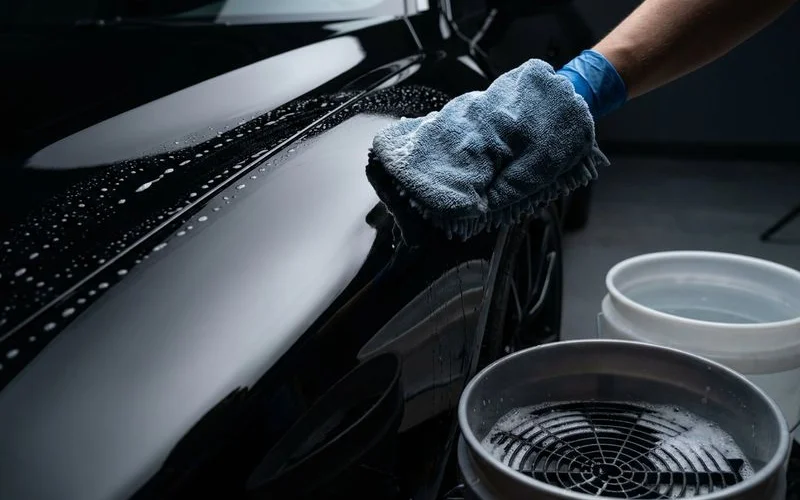
You must still wash your vehicle. Environmental fallout like bird droppings or tree sap—specifically the sticky “honeydew” from local aphids—will eventually etch even the hardest 9H coating if left to bake in the sun. Regular washing using pH-neutral soap is required to unclog the coating and keep the hydrophobic properties active.
Cost Considerations for Boise Vehicle Owners
We structure our pricing to reflect the labor-intensive nature of proper application. The primary cost driver is not the bottle of coating itself, but the hours of surface preparation required before we even open the bottle.
In the Boise market for 2026, professional ceramic coating packages generally fall into these ranges:
| Package Level | Estimated Cost | Durability | Best For |
|---|---|---|---|
| Entry-Level | $600 - $900 | 1-2 Years | Leased vehicles or budget protection |
| Standard | $1,000 - $1,600 | 3-5 Years | Daily drivers kept outside |
| Premium/Lifetime | $1,800 - $2,800+ | 5+ Years | Show cars or “forever” vehicles |
The Long-Term Value Calculation
Compare the cost of a ceramic coating against the cumulative expense of traditional detailing over a 5-year ownership period.
| Feature | Traditional Wax/Sealant | Professional Ceramic Coating |
|---|---|---|
| Lifespan | 3-6 Months | 3-5+ Years |
| Applications Needed (5 Yrs) | 10-20 times | 1 time |
| Approx. Cost Per Application | $150-$200 | $1,000-$1,600 |
| Total 5-Year Cost | $1,500-$4,000 | $1,000-$1,600 |
| Resale Value Impact | Minimal | High (Documented protection) |
For owners planning to keep their vehicle for more than three years, the upfront investment often costs less than paying for quarterly waxing services.
Choosing the Right Ceramic Coating Service
We have corrected many vehicles that arrived with failing coatings because the original installer cut corners. When vetting a shop in the Treasure Valley, look for these specific indicators of quality.
1. The Lighting Setup
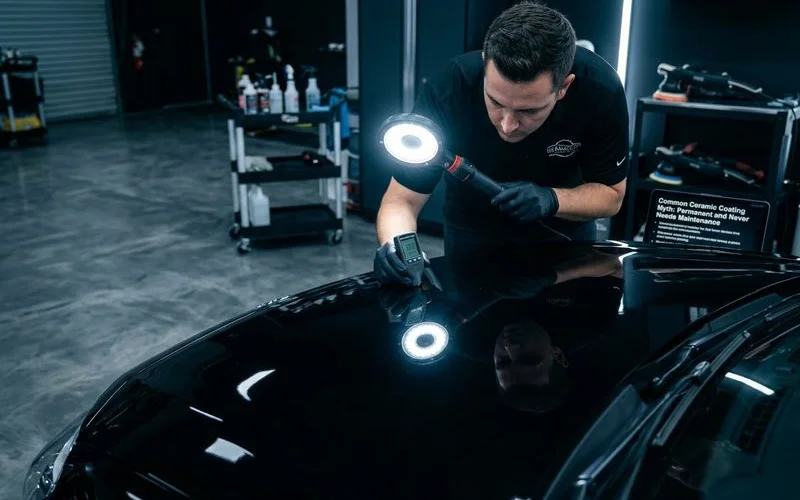
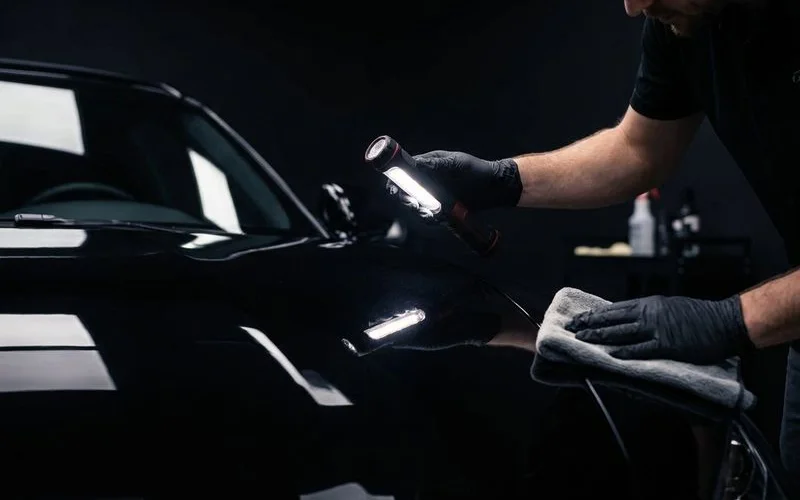
The most critical tool in a detailer’s arsenal is their lighting array. You cannot correct paint defects that remain invisible in poor lighting. A reputable shop will use high-CRI (Color Rendering Index) lighting from brands like Scangrip to reveal micro-swirls. If a shop relies solely on overhead fluorescent tubes or an open garage door, they will likely miss defects that get sealed under the coating.
2. Paint Correction Standards
Applying a coating over swirl marks locks those defects in for the life of the coating. A professional package must include paint correction or machine polishing. This mechanical process removes a microscopic layer of clear coat to level the surface.
3. Curing Equipment
Ask if the shop uses IR (Infrared) curing lamps. Professional coatings like Gtechniq or Ceramic Pro often require heat to reach their full hardness immediately. IR lamps bake the coating panels at roughly 150°F to 170°F. This step ensures the bond is cured before you drive away, preventing moisture from compromising the finish during the first 24 hours.
The Bottom Line for Treasure Valley Drivers
We view ceramic coating as a practical necessity rather than a luxury for daily drivers in Idaho. The combination of intense UV exposure, hard water deposits, and chemical road treatments makes our specific environment particularly harsh on automotive paint.
A ceramic coating offers the most effective method to preserve your vehicle’s clear coat and protect its resale value. It simplifies maintenance and ensures your car looks better between washes.
If you are ready to protect your investment, look for a certified installer who prioritizes preparation and transparency. Your vehicle deserves protection that lasts.
Boise Mobile Auto Detailing Team
Professional detailing specialists serving Boise and the Treasure Valley.